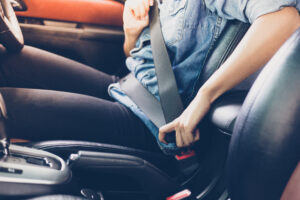
 Wearing a seat belt is one of the simplest ways to protect yourself on the road, yet every year people are seriously injured or killed in crashes because they were not buckled up. Despite ongoing safety campaigns and increased awareness, seat belt use remains a critical issue across Colorado.
Understanding the role seat belts play in preventing injuries can help drivers and passengers make safer choices every time they get into a vehicle.
Seat Belt Use in Colorado
According to the Colorado Department of Transportation (CDOT), seat belt usage across the state continues to improve. The 2023 Colorado Statewide Seat Belt Survey found that 88% of Coloradans wear their seat belts, the highest rate recorded in the past decade.
Some counties are seeing even stronger compliance. Thirteen counties now have seat belt usage rates above 90%, which represents significant progress compared to 2020 when only six counties met that threshold.
However, seat belt use still varies throughout the state. Three counties reported usage rates below 80% in 2023:
- El Paso County: 79.35%
- Pueblo County: 74.46%
- Jefferson County: 73.50%
Even with increased awareness, hundreds of crashes every year involve people who were not properly restrained.
The Safety Impact of Wearing a Seat Belt
Seat belts are designed to keep occupants securely positioned during a crash, preventing them from being thrown against the interior of the vehicle or ejected from it.
According to the National Highway Traffic Safety Administration (NHTSA), wearing a seat belt can reduce the risk of serious injury or death by up to 65%. This makes seat belts one of the most effective vehicle safety features available.
In Colorado alone, 223 unbuckled vehicle occupant fatalities were reported in 2023, though that number represents an 8% decrease from the previous year.
Safety officials estimate that approximately 70 lives could be saved every year in Colorado if every vehicle occupant consistently wore a seat belt.
Why Some People Still Don’t Buckle Up
Although most drivers understand the importance of seat belts, some individuals still choose not to use them. Common reasons include:
- Short trips where drivers believe the risk is lower
- Riding in the back seat and assuming it is safer
- Discomfort or improper seat belt positioning
- Forgetting to buckle up altogether
However, crashes can happen anywhere, even when the driver is close to home, and unrestrained passengers can be seriously injured even at relatively low speeds.
Seat Belts and Personal Injury Claims
In Colorado, seat belt use can also play a role in personal injury cases following a car accident.
If someone involved in a crash was not wearing a seat belt, insurance companies may attempt to argue that the injuries were made worse because the person was unrestrained. This can sometimes affect how damages are evaluated in a claim.
Every accident is different, and determining liability often requires a careful review of the circumstances surrounding the crash.
Staying Safe on Colorado Roads
Wearing a seat belt takes only a few seconds, but it can dramatically improve your chances of surviving a serious crash. Drivers and passengers should make buckling up a habit every time they enter a vehicle, regardless of how short the trip may be.
Safety campaigns across Colorado continue to encourage drivers and passengers to buckle up, a small step that can make a life-saving difference.
If You’ve Been Injured in a Car Accident
Car accidents can lead to serious injuries, medical bills, and difficult recovery periods. If you or a loved one has been injured in a crash, understanding your legal options can help you move forward.
The team at LS Injury Law helps individuals throughout Colorado navigate personal injury claims and pursue the compensation they may be entitled to after an accident. Contact us, we can review you case, we can even travel to your home or meet you at the hospital if your injuries prevent you from making it to our office.
Sources:
National Highway Traffic Safety Administration (NHTSA) – Seat Belt Safety
Colorado Department of Transportation (CDOT) – Seat Belt Safety Overview