
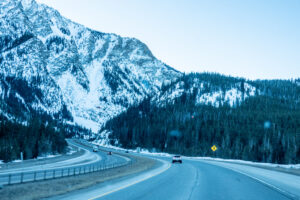
Driving on I-70 during the winter months is a familiar experience for many Coloradans. Every weekend, thousands of drivers travel from Denver into the mountains for skiing and snowboarding. With that influx comes heavy traffic, early-morning congestion, unpredictable road conditions, and all too often, serious accidents.
When a crash happens on I-70 or other mountain roads, the situation can escalate quickly. Traffic may come to a standstill, highway closures can last for hours, and injured drivers are often left unsure of what to do next. Knowing how to respond after a mountain road accident can help protect your health and your legal rights.
Why Accidents on I-70 Are Different
Winter driving on I-70 presents unique challenges that aren’t always present on city roads. High traffic volumes, changing weather, steep grades, limited visibility, and commercial truck traffic all increase the risk of serious collisions.
During ski season, even a single accident can cause widespread delays or full highway shutdowns. These conditions also mean accidents often involve multiple vehicles, commercial trucks, or chain-reaction crashes, making fault and insurance issues more complex.
Step One: Prioritize Safety and Medical Care
After an accident on I-70 or a mountain highway, your first priority should always be safety.
If possible:
- Move to a safe location away from traffic
- Turn on hazard lights
- Call 911 to report the accident
Even if injuries don’t feel severe, seek medical attention as soon as possible. Cold temperatures and adrenaline can mask symptoms, and delayed treatment may worsen injuries or complicate an insurance claim later
Document the Accident if You Can
Mountain road accidents can be chaotic, especially during peak ski traffic. If you’re able, documenting what happened can be extremely helpful.
Try to:
- Take photos or videos of vehicle damage, road conditions, and weather
- Note traffic backups or hazardous conditions
- Exchange information with other drivers involved
- Identify any witnesses
- If law enforcement responds, make sure a report is filed.
How To Communicate With Insurance Companies
After an accident, insurance companies may reach out quickly, sometimes before you fully understand the extent of your injuries. Be cautious about giving recorded statements or accepting early settlement offers.
Mountain road accidents often involve factors like poor weather, congestion, or commercial vehicles, and insurers may attempt to shift blame or minimize liability. Speaking with a knowledgeable attorney before engaging in detailed discussions can help protect your interests.
When Trucks or Construction Are Involved
Many I-70 accidents involve commercial trucks or occur near active road construction zones. These cases can be more complicated than standard car accidents and may involve additional parties, regulations, or insurance coverage.
Accidents involving large trucks or construction areas often result in more severe injuries and require careful investigation to determine responsibility.
You May Be Entitled to Compensation
If your accident was caused by another driver’s negligence whether due to speeding, inattention, unsafe lane changes, or failure to adjust for conditions, you may be entitled to compensation. This can include:
- Medical expenses
- Lost wages
- Pain and suffering
- Ongoing rehabilitation or long-term care
Even when weather or traffic conditions are challenging, drivers still have a responsibility to operate their vehicles safely.
Get Help After a Mountain Road Accident
Car accidents on I-70 and Colorado’s mountain roads can have serious physical, financial, and emotional consequences. LS Injury Law represents individuals injured in car, truck, and motor vehicle accidents throughout Colorado and understands the complexities of mountain road crashes.
If you were injured in an accident while traveling to or from the mountains, LS Injury Law can help you understand your options and next steps. Contact us on our website or by calling 303-221-0039 to schedule a free consultation on your case. We can even travel to you home or meet you in the hospital if your injuries prevent you from making it into our office.